FEMALE HAIRLINE

Female Hairline Enhancement – Permanent Makeup
Enhance the appearance of your hairline with a personalized cosmetic pigmentation approach designed around your natural hair pattern and facial features. Female Hairline Micropigmentation may help camouflage selected areas of visible scalp, soften the appearance of a sparse hairline, and create a more visually balanced look.
Whether you are concerned about thinning around the temples, a naturally high hairline, or visible scalp along the frontal hairline, a professional consultation can help determine the most suitable option for your needs.
What Is Female Hairline Permanent Makeup?
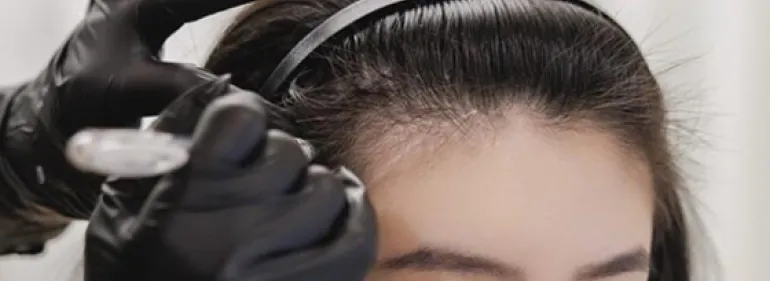
Female Hairline Permanent Makeup is a cosmetic pigmentation approach designed to improve the appearance of selected areas around the frontal hairline and temples. When performed using Scalp Micropigmentation (SMP), a trained practitioner deposits small pigment impressions into the scalp to imitate the appearance of hair follicles.
For women experiencing visible scalp areas or a sparse-looking hairline, this technique may help reduce the contrast between the scalp and existing hair. The treatment can be planned around the natural hairline, temple areas, and individual hair pattern.
Unlike hair transplantation or medical hair-loss treatments, female hairline micropigmentation does not restore hair growth. It creates a visual camouflage effect, and results depend on skin characteristics, hair density, pigment selection, technique, and healing.
A consultation is essential to establish whether cosmetic pigmentation is appropriate for your concerns. If your hairline has changed recently or you are experiencing unexplained hair loss, seek assessment from a dermatologist before proceeding.
Benefits of Female Hairline Micropigmentation
Enhanced Hairline Definition
Carefully placed pigment can create the appearance of a more visually defined hairline in suitable areas.
Temple Area Camouflage
Treatment may help reduce the visual contrast around selected temple areas where the scalp is more visible.
Personalized Hairline Design
The proposed design can be tailored to your facial proportions, existing hairline, and preferred hairstyle.
A Low-Maintenance Cosmetic Option
Once healed, the pigment may provide a consistent visual effect without daily use of hairline concealers or scalp makeup.
Who Is a Good Candidate for Female Hairline Enhancement?
Female Hairline Micropigmentation may be considered by women who:
- Have a naturally high-looking or sparse-looking frontal hairline.
- Notice visible scalp around the temples or selected areas of the hairline.
- Want a cosmetic camouflage option without surgery.
- Prefer a customized visual effect that complements their existing hair.
- Understand that pigment does not stimulate hair growth.
Not everyone is a suitable candidate. A professional scalp assessment is especially important if you have active scalp inflammation, infection, open wounds, or a skin condition affecting the treatment area.
Women experiencing sudden shedding, progressive thinning, a widening part, or a receding hairline should first consult a dermatologist to investigate possible causes. Early assessment can be important because some types of hair loss are treatable, and certain conditions may cause permanent loss if not addressed.
Our Female Hairline Treatment Process
Step 1: Consultation and Scalp Assessment
We discuss your concerns, preferred hairstyle, hairline pattern, scalp condition, and expectations. Where indicated, medical assessment may be recommended before cosmetic treatment.
Step 2: Hairline Mapping and Design
The proposed treatment area is mapped to complement your facial features and existing hair. A conservative, natural-looking design is generally preferable to an overly sharp or artificial outline.
Step 3: Pigment Selection and Preparation
The pigment shade and technique are selected according to your hair colour, scalp characteristics, and desired visual effect. Appropriate hygiene and sterile, single-use needles are essential.
Step 4: Precision Pigment Application
The practitioner applies carefully spaced pigment impressions within the agreed treatment area to create a subtle follicle-like effect.
Step 5: Healing and Follow-Up
You receive aftercare instructions and guidance on the healing process. Follow-up sessions may be needed to build or refine the appearance after the scalp has healed.
Areas That Can Be Addressed
Frontal Hairline
Cosmetic pigmentation may help create a more defined visual border along selected areas of the frontal hairline.
Temple Areas
Selected temple areas may be assessed for visual camouflage where the scalp is more visible.
Sparse-Looking Hairline
Pigment impressions may reduce the contrast between existing hair and the scalp, depending on hair density and suitability.
The suitability of each area depends on the cause of hair loss, the amount of existing hair, scalp health, and the desired hairstyle. Pigment cannot replace missing hair strands, and the visual effect may be less suitable for some hairline patterns.
Female Hairline Micropigmentation vs. Hair Transplant vs. Hairline Makeup
| Feature | Hairline Micropigmentation | Hair Transplant | Hairline Makeup |
| Treatment type | Cosmetic pigmentation | Surgical procedure | Temporary cosmetic product |
| Grows new hair | No | Can relocate hair follicles | No |
| Main purpose | Creates a visual follicle effect | Restores hair in selected areas | Temporarily conceals visible scalp |
| Longevity | Long-lasting; may need maintenance | Transplanted hair may be long-lasting | Until washed or removed |
| Recovery | Skin healing required | Surgical recovery required | Usually no procedure-related recovery |
| Flexibility | Pigment can be difficult to change | Surgical result requires careful planning | Easy to adjust or remove |
The most appropriate option depends on your hair-loss pattern, goals, and medical suitability. A dermatologist can help assess the cause of hair loss and discuss treatment options before you decide on cosmetic camouflage.
How Long Does Female Hairline Micropigmentation Last?
Female Hairline Micropigmentation is a long-lasting cosmetic pigmentation procedure. Its appearance may gradually soften or change over time, and maintenance sessions may be considered when appropriate.
Longevity can depend on:
- Skin type and individual healing response.
- Pigment formulation and implantation technique.
- Hair colour, pigment contrast, and treatment density.
- Sun exposure and skincare habits.
- Changes in natural hair growth or hair-loss patterns.
Pigment may remain visible for years, and complete fading is not guaranteed. Changes in pigment colour or appearance should be assessed by a qualified professional. Removal can be difficult and may cause scarring or changes in skin pigmentation.
Female Hairline Micropigmentation Aftercare
Follow your practitioner's instructions to support healing and reduce the risk of complications.
- Keep the treated area clean according to the recommended routine.
- Avoid scratching, picking, or rubbing the treated scalp.
- Avoid swimming, saunas, and excessive sweating during the recommended healing period.
- Protect the healing area from direct sun exposure.
- Avoid applying unapproved products or hair treatments to the treated area.
- Follow instructions about shampooing, exercise, and returning to your usual scalp-care routine.
- Attend follow-up appointments as advised.
Mild redness, tenderness, or sensitivity may occur. Seek medical advice if you experience worsening pain, spreading redness, pus, fever, or other signs of infection.
Frequently Asked Questions About Female Hairline Permanent Makeup
What is female hairline permanent makeup?
It commonly refers to cosmetic pigmentation used to create the appearance of a more defined female hairline. When performed using Scalp Micropigmentation, tiny pigment impressions imitate the appearance of hair follicles.
Does female hairline micropigmentation grow hair?
No. It creates a visual camouflage effect but does not stimulate hair growth or restore hair follicles.
Is female hairline tattooing permanent?
It is a long-lasting cosmetic pigmentation procedure. Pigment may soften or change over time but can remain visible for years.
Is the treatment suitable for women with thinning hair?
It may be suitable for selected patterns of scalp visibility. The practitioner should assess hair density, scalp health, and the cause of hair loss before recommending treatment.
Can female hairline micropigmentation make the forehead look smaller?
Pigment may create the visual impression of a more defined hairline, but it does not physically change the forehead or move the natural hairline. The proposed design must be realistic and appropriate for the individual.
How many sessions are required?
Multiple sessions are commonly used to build the desired appearance gradually. The number depends on the treatment area, pigment retention, and individual healing.
Can the treatment cover a receding hairline?
It may camouflage selected areas of visible scalp, but it does not replace missing hair. Suitability depends on the extent and cause of hairline recession.
Can women with long hair benefit from SMP?
Some women with longer hairstyles may be candidates for selected scalp camouflage techniques. The treatment plan must account for the existing hair pattern and how the result will look with different hairstyles.
Can the pigment be removed?
Removal may be possible through specialist treatment, but it is not guaranteed and can be difficult. Scarring or changes in pigmentation may occur.
Should I consult a dermatologist before treatment?
If you have unexplained, sudden, or progressive hair loss, a dermatologist should assess the cause before cosmetic treatment. Treating an underlying condition may be more appropriate than camouflage alone.
Gallery
Book your services
Ready to wake up with beautifully defined brows, lips, or eyeliner every day?