KAJAL PMU TECHNIQUE

Beautifully Defined Eyes Inspired by the Classic Kajal Look
Enhance the appearance of your eyes with the Kajal PMU Technique, a cosmetic tattooing treatment inspired by the timeless beauty of kajal makeup. Designed to create a softly defined eye contour, this technique offers a long-lasting alternative to applying traditional kajal every day.
What Is the Kajal PMU Technique?
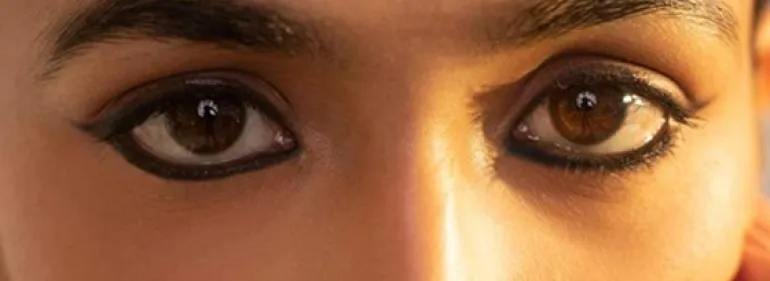
The Kajal PMU Technique is a permanent makeup approach inspired by the traditional Indian kajal look. It uses cosmetic tattoo pigment to create long-lasting definition around the eyes, offering an alternative to applying conventional kajal or eyeliner daily.
Depending on the practitioner's technique, the treatment may focus on the upper lash line, lower lash line, or a softly shaded eyeliner effect. The design is customised to suit your eye shape, preferred intensity, and individual beauty style.
For clients who love the classic kajal-inspired look, this treatment can provide a more convenient daily beauty routine while maintaining a defined eye appearance.
Important: Kajal PMU is cosmetic tattooing performed close to the eyes. It is not the same as applying traditional kajal inside the waterline. Treatment placement must be planned with eye safety in mind. Potential risks include infection, allergic reactions, scarring, pigment migration, and eye-related complications.
Benefits of the Kajal PMU Technique
1. Kajal-Inspired Eye Definition
Enjoy an eye-enhancing style inspired by the timeless Indian kajal look, customised to your natural features.
2. Personalised Eye Styling
Discuss subtle lash-line definition or a more noticeable kajal-inspired effect, depending on the available technique and your suitability.
3. A Long-Lasting Cosmetic Effect
Cosmetic pigment can provide lasting eye definition without the need to recreate the same look with kajal every day.
4. Simplified Daily Makeup Routine
Once healed, the treatment may reduce your reliance on conventional kajal or eyeliner for everyday eye definition.
Who Is a Suitable Candidate for Kajal PMU?
The Kajal PMU Technique may be suitable for individuals who:
- Love the appearance of traditional kajal-inspired eye makeup.
- Prefer long-lasting cosmetic definition around their eyes.
- Want to reduce the time spent applying kajal or eyeliner.
- Prefer a customised eye look that complements their features.
- Understand the long-lasting nature and potential risks of cosmetic tattooing.
Important suitability considerations
The eye area is delicate, and suitability should be assessed carefully before treatment.
- Postpone treatment if you have an active eye infection, eyelid infection, open wounds, or significant irritation.
- If you have dry eye disease, blepharitis, glaucoma, sensitive eyes, or another eye condition, consult your eye-care professional before proceeding.
- Discuss previous eye surgery, allergies, medications, and any history of problematic healing.
- Ask your practitioner about contact lens removal and when it is appropriate to resume wearing contact lenses.
- Discuss pregnancy, breastfeeding, and other health circumstances that may affect your suitability.
Your consultation should clarify exactly where pigment will be placed. Tattooing the waterline or inner eyelid margin carries particular concerns and should not be assumed to be part of this treatment.
Our Kajal PMU Treatment Process
Step 1: Consultation and Eye Assessment
Discuss your preferred kajal-inspired look, eye shape, medical history, previous eye treatments, and suitability for cosmetic tattooing.
Step 2: Design and Placement Planning
Your practitioner discusses the intended pigment placement, thickness, and intensity. The proposed design should be agreed upon before treatment.
Step 3: Preparation and Hygiene
The area is prepared using appropriate hygiene and eye-safety procedures. Any numbing product must be suitable for the treatment area and used according to professional guidance.
Step 4: Cosmetic Pigment Application
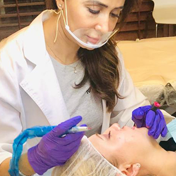
A suitably trained practitioner applies pigment using an appropriate technique to create the agreed kajal-inspired effect.
Step 5: Aftercare and Follow-Up
Receive individual aftercare instructions and guidance on when the healed result can be assessed to determine whether a touch-up is appropriate.
Kajal PMU vs Classic Eyeliner vs Lash Line Enhancement
| Feature | Kajal PMU Technique | Classic Eyeliner | Lash Line Enhancement |
| Inspiration | Traditional kajal-inspired eye definition | Classic eyeliner makeup | Natural-looking lash definition |
| Appearance | Can range from subtle to more pronounced | Defined line along the eyelid | Very subtle definition |
| Placement | Depends on the specific technique | Typically along the eyelid | Along or between lash roots |
| Customisation | Style and intensity tailored during consultation | Thickness and line shape | Usually understated |
| Daily makeup | May reduce the need for conventional kajal | May reduce the need for eyeliner | May reduce the need for lash-line makeup |
“Kajal PMU” is not a universally standardised technique name. The exact method and placement vary by clinic, so confirm the treatment details before booking.
How Long Does Kajal PMU Last?
Kajal PMU is designed to provide a long-lasting cosmetic effect, but the appearance may soften or change over time.
Longevity depends on pigment selection, application technique, individual skin characteristics, lifestyle, sun exposure, and healing. Some clients may consider a touch-up after the healed result has been assessed.
Cosmetic tattoo pigment does not necessarily disappear completely. Residual pigment may remain, and unwanted colour changes or migration can be difficult to correct. Removal may require specialist procedures and cannot be guaranteed to be complete.
Your practitioner should explain realistic longevity expectations and follow-up options during your consultation.
Kajal PMU Aftercare Instructions
The eyelid area is delicate, so following your practitioner's aftercare instructions is essential.
- Keep the area clean: Follow the specific cleansing instructions provided by your practitioner.
- Avoid rubbing your eyes: Do not scratch, pick, or remove any flaking skin.
- Pause eye makeup: Resume kajal, eyeliner, mascara, and other eye cosmetics only when your practitioner confirms it is appropriate.
- Follow contact lens guidance: Ask when you can safely resume wearing contact lenses.
- Avoid unnecessary moisture and friction: Follow instructions about swimming, saunas, and activities that may interfere with healing.
- Use only approved products: Avoid unapproved creams, oils, and numbing products around the eyes.
- Protect the healed area: Follow professional advice about sun protection once healing is complete.
Seek prompt medical attention if you experience significant eye pain, vision changes, severe or increasing swelling, marked redness, light sensitivity, or discharge.
Frequently Asked Questions About Kajal PMU Technique
1. What is the Kajal PMU Technique?
It is a cosmetic tattooing approach inspired by the traditional kajal look, designed to provide long-lasting definition around the eyes.
2. Is Kajal PMU the same as traditional kajal?
No. Traditional kajal is a cosmetic product applied as makeup, while Kajal PMU involves implanting cosmetic pigment into the skin.
3. Is Kajal PMU the same as permanent eyeliner?
They may overlap. Kajal PMU describes a style or service name, while permanent eyeliner generally refers to cosmetic tattooing along the eyelid. The exact technique varies by clinic.
4. Can Kajal PMU be applied to the lower eye area?
Some practitioners offer lower lash-line designs, but suitability and safety must be assessed carefully. Tattooing the waterline or inner eyelid margin should not be assumed to be included.
5. Is the treatment painful?
Discomfort varies between individuals. Appropriate numbing may be considered by a qualified practitioner, but some discomfort can still occur.
6. How long does Kajal PMU last?
The pigment is long-lasting, but the appearance may soften or change over time. Complete fading is not guaranteed.
7. Is Kajal PMU suitable for sensitive eyes?
Sensitive eyes require careful assessment. Discuss your symptoms with an eye-care professional and your practitioner before deciding whether to proceed.
8. Can I wear contact lenses after treatment?
Follow your clinic's instructions and ask when it is appropriate to resume wearing contact lenses.
9. Is Kajal PMU safe?
It carries risks, including infection, allergic reactions, scarring, pigment migration, and eye-related complications. Professional training, hygiene, and suitability assessment are essential.
10. Can Kajal PMU be removed?
Removal can be difficult and may require specialist procedures. Complete removal cannot be guaranteed, so careful design and informed consent are important.
Gallery

Book your services
Ready to wake up with beautifully defined brows, lips, or eyeliner every day?