MICROBLADING

Beautifully Defined Brows. Naturally You.
Enhance your natural beauty with our professional Microblading Permanent Makeup treatment. This specialised eyebrow technique uses precise, fine hair-like strokes to create the appearance of fuller, more defined brows that complement your facial features.
Whether you have sparse eyebrows, uneven growth, or simply want a more structured brow shape, microblading offers a personalised approach to achieving a soft, natural-looking finish.
What Is Microblading?
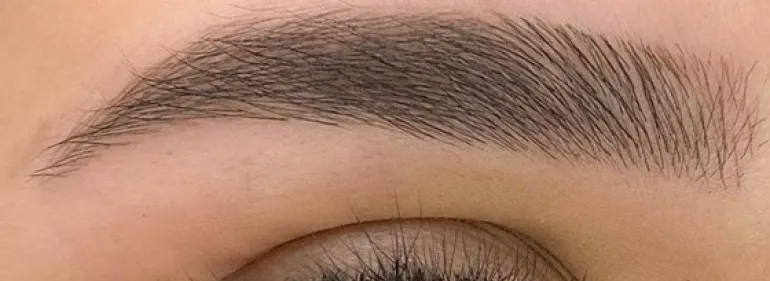
Microblading is a semi-permanent cosmetic tattooing technique used to enhance the appearance of eyebrows by creating fine, hair-like strokes with a specialised manual tool. Cosmetic pigment is deposited into the skin to imitate the look of natural eyebrow hairs.
The treatment is designed to improve the appearance of brow shape, definition, and fullness while maintaining a natural-looking result.
At your consultation, your practitioner assesses your existing brow hairs, facial proportions, skin characteristics, and preferred style before designing a customised brow shape.
Microblading may be suitable for clients who want to fill the appearance of sparse areas, improve uneven brow definition, or create a more structured eyebrow shape without applying brow pencil every day.
Unlike ordinary eyebrow tinting or brow lamination, microblading involves pigment implantation into the skin. Although it is often called semi-permanent makeup, the pigment may remain visible for years and is not guaranteed to disappear completely.
Benefits of Microblading Eyebrows
Natural Hair-Stroke Effect
Fine, individually placed strokes are designed to imitate natural eyebrow hairs for a soft, realistic appearance.
Fuller-Looking Brows
Adds visual definition to sparse areas and helps create the appearance of a more complete brow shape.
Customised Brow Design
The shape, arch, and overall proportions are planned to complement your facial features and natural brow growth.
Reduced Daily Makeup
Enjoy a more defined brow appearance without having to draw individual eyebrow hairs every morning.
Who Is an Ideal Candidate for Microblading?
Microblading may be suitable for adults who:
- Have naturally thin or sparse eyebrows.
- Want to improve the appearance of gaps in their brows.
- Prefer fine, hair-like strokes rather than a solid, filled-in effect.
- Have uneven or poorly defined eyebrow shapes.
- Want to reduce their daily eyebrow makeup routine.
- Prefer a customised brow design that complements their natural features.
Is microblading suitable for every skin type?
Not necessarily. Oily skin may retain fine strokes less predictably, while sensitive or compromised skin may require additional assessment. Previous cosmetic tattooing, skin conditions, scarring tendencies, and individual healing responses can also affect suitability.
A professional consultation is essential to determine whether traditional microblading or an alternative technique, such as machine hair strokes or powder brows, is more appropriate.
Our Microblading Treatment Process
Step 1: Consultation & Brow Assessment
We discuss your expectations, natural brow condition, skin characteristics, previous PMU treatments, and desired result.
Step 2: Brow Mapping & Shape Design
Your brows are mapped to establish the proposed shape, arch, and proportions. The design is reviewed with you before treatment begins.
Step 3: Pigment Selection & Preparation
A suitable pigment shade is selected according to your natural colouring and desired appearance. The treatment area is prepared using appropriate hygiene and infection-control procedures.
Step 4: Microblading Application
The practitioner uses a specialised manual tool to create carefully planned hair-like strokes and deposit cosmetic pigment into the skin.
Step 5: Aftercare & Follow-Up
You receive personalised healing instructions. Once the skin has healed, your practitioner can assess pigment retention and determine whether a follow-up treatment is appropriate.
Microblading vs. Hair Stroke Brows vs. Powder Brows
| Feature | Microblading | Machine Hair Stroke Brows | Powder Brows |
| Technique | Manual blade-style tool | PMU machine | Usually a PMU machine |
| Appearance | Fine, hair-like strokes | Fine, hair-like strokes | Soft, shaded makeup effect |
| Best suited to | Selected clients seeking manual hair strokes | Clients seeking machine-created hair strokes | Clients seeking softly filled brows |
| Skin suitability | Depends on skin and individual assessment | Depends on technique and skin assessment | May suit some clients who are less suitable for microblading |
| Longevity | Variable; pigment can remain for years | Variable; pigment can remain for years | Variable; pigment can remain for years |
Which brow technique should you choose?
- Microblading: For suitable clients who prefer manually created hair-like strokes.
- Machine Hair Stroke Brows: For a hair-stroke effect created with a PMU machine.
- Powder Brows: For a softly shaded, makeup-inspired finish.
The right technique depends on skin type, existing brows, previous tattooing, and the look you want to achieve. No technique guarantees identical results for every client.
How Long Does Microblading Last?
Microblading is designed to provide long-lasting eyebrow enhancement, but results vary considerably from person to person.
Pigment retention depends on skin type, application depth, pigment composition, sun exposure, skincare products, lifestyle, and individual healing.
Clients should understand that:
- Brows may appear darker immediately after treatment.
- Colour and stroke definition change during healing.
- Fine strokes may soften or spread over time.
- Pigment may remain visible for years, even as it fades.
- Maintenance is individual, and additional pigment is not always necessary.
- Removal can be difficult and complete removal is not guaranteed.
Your practitioner can assess the healed result and advise whether maintenance is appropriate.
Microblading Aftercare
Following professional aftercare instructions is important for proper healing and satisfactory results.
- Keep the treated area clean according to your practitioner's instructions.
- Avoid picking, scratching, or peeling healing skin.
- Do not apply unapproved makeup, active skincare products, or harsh cleansers to the area during healing.
- Avoid swimming and activities that may contaminate or irritate the treated skin until adequately healed.
- Protect healed brows from excessive sun exposure.
- Avoid scheduling additional pigment applications before the skin has recovered sufficiently.
- Contact a healthcare professional if you develop increasing pain, spreading redness, pus, fever, or other signs of infection.
Important safety information: Microblading breaks the skin and carries risks, including infection, allergic reactions, scarring, pigment migration, and unsatisfactory results. Your practitioner should explain these risks, discuss relevant medical history, obtain informed consent, and use appropriate infection-control procedures.
Frequently Asked Questions
Q1. Is microblading a permanent makeup treatment?
Yes. Microblading is a form of cosmetic tattooing. Although often described as semi-permanent, pigment may remain visible for years and may not fade completely.
Q2. Does microblading look natural?
The technique is designed to create hair-like strokes that resemble natural eyebrow hairs. The final appearance depends on skin characteristics, natural brow growth, practitioner technique, and healing.
Q3. Is microblading suitable for oily skin?
Oily skin may retain fine strokes less predictably. Your practitioner can assess your skin and discuss whether machine hair strokes or powder brows may be more suitable.
Q4. Is microblading painful?
Discomfort varies between individuals. Your practitioner should explain appropriate pain-management options, including any restrictions on topical products.
Q5. How long does a microblading appointment take?
Appointment duration varies depending on consultation, brow mapping, skin assessment, and treatment complexity. Your clinic can provide an estimate when booking.
Q6. Is a touch-up necessary?
Not every client requires a touch-up. Once the skin has healed, your practitioner can assess pigment retention and decide whether additional treatment is appropriate.
Q7. Can old eyebrow tattoos be covered with microblading?
Sometimes, but existing pigment must be assessed first. Dark, saturated, or discoloured brows may require removal or colour correction before a new design can be considered.
Q8. Can microblading be removed?
Removal may be possible through specialist procedures, but it can require multiple sessions and may cause scarring or pigment changes. Complete removal cannot be guaranteed.
Gallery
Book your services
Ready to wake up with beautifully defined brows, lips, or eyeliner every day?